

Yellow is a vibrant and uplifting color that exudes positivity, warmth, and vitality. Positioned between green and orange on the traditional color spectrum, it stands out as a pure and saturated hue that captures attention with its radiant and lively presence. Often associated with sunshine, joy, and optimism, yellow has the unique ability to evoke feelings of happiness and energy. Its brightness makes it a popular choice in design and branding, where it is used to convey creativity, clarity, and enthusiasm. Whether in nature, such as in blooming sunflowers or golden sunsets, or in everyday objects like traffic signs and highlighters, yellow’s striking visibility ensures it leaves a lasting impression. This dynamic color not only stimulates mental activity but also symbolizes hope and enlightenment, making it a powerful tool in visual communication and emotional expression.
When exploring the shades of yellow, the color spectrum offers a wide range of tones, each with its own unique character and emotional impact. From the soft, muted tones of pastel yellow, which evoke a sense of calm and subtlety, to the bold and intense hues of golden yellow, which radiate confidence and energy, there is a shade of yellow for every purpose. Mustard yellow, with its earthy undertones, brings a sense of warmth and sophistication, while lemon yellow, with its zesty brightness, feels fresh and invigorating. Neon yellow, on the other hand, is electrifying and modern, often used to grab attention in high-impact designs. These variations allow yellow to adapt to different contexts, from serene and understated to bold and eye-catching.
Similarly, the shades of orange complement yellow beautifully, creating a harmonious transition on the color wheel. Orange itself is a blend of yellow and red, embodying the energy of both colors. From the soft, peachy tones that feel warm and inviting to the vibrant, fiery hues of tangerine and burnt orange, this color family is rich in diversity. Amber orange, with its golden undertones, bridges the gap between yellow and orange, offering a radiant and luxurious feel. Pumpkin orange is cozy and autumnal, while coral orange adds a playful and modern twist. Together, the shades of yellow and orange create a dynamic palette that can evoke a wide range of emotions, from warmth and comfort to excitement and creativity. Whether used individually or in combination, these colors are powerful tools in design, art, and communication, capable of transforming spaces and messages with their vibrant energy.
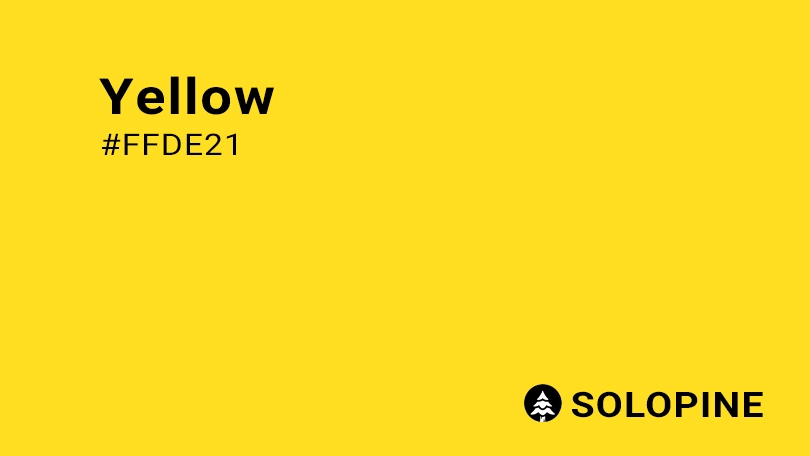
How does yellow appear on digital display?
Yellow is a vibrant and eye-catching color that plays a significant role in digital design, thanks to its ability to convey energy, optimism, and attention. To ensure consistency across various digital platforms and devices, yellow is precisely defined using standardized color codes and values. These codes allow designers and developers to replicate the exact shade of yellow, regardless of the screen or software being used. Here are the key technical specifications for digital yellow:
- HEX code: FFDE21;
- RGB value: 100% red, 87.1% green, and 12.9% blue.
In addition to these technical details, accessibility considerations are critical when incorporating yellow into UX (User Experience) and UI (User Interface) design. While yellow is visually striking, it can pose challenges for users with visual impairments or color vision deficiencies, such as those with color blindness. To address this, designers must ensure sufficient contrast between yellow and surrounding colors, particularly when used for text or interactive elements. Tools like the Web Content Accessibility Guidelines (WCAG) provide standards for color contrast ratios, helping designers create inclusive and user-friendly digital experiences.
Moreover, yellow’s psychological impact should not be overlooked. It is often associated with positivity, creativity, and clarity, making it a popular choice for call-to-action buttons, highlights, and notifications. However, its intensity can sometimes overwhelm users if overused, so it’s essential to balance yellow with neutral or complementary colors to maintain visual harmony.
Yellow in UI design: best practices and considerations
Yellow is a powerful and versatile color that can significantly enhance user interface (UI) design when used strategically. Its vibrant and energetic nature makes it an excellent choice for creating visually appealing and functional digital experiences. Below are some effective ways to incorporate yellow into your designs, along with key considerations to ensure its impact is both positive and culturally appropriate.
- Attract & Attention: yellow’s inherent brightness makes it ideal for drawing attention to critical elements within a design. Use it for call-to-action buttons, alerts, notifications, or icons that require immediate user interaction. Its high visibility ensures that these elements stand out, guiding users seamlessly through the interface. For example, a yellow “Sign Up” button or a warning icon can quickly capture attention and drive engagement.
- Stimulate positivity: yellow is universally associated with happiness, optimism, and warmth. Incorporating this color into your design can create a welcoming and cheerful atmosphere, encouraging users to feel more comfortable and engaged. For instance, using yellow in backgrounds, headers, or illustrations can evoke a sense of friendliness and approachability, making the user experience more enjoyable.
- Enhance visibility: yellow provides excellent contrast when paired with darker colors, making it a practical choice for improving readability and highlighting important information. Use it for text highlights, borders, or accents to ensure key content stands out without overwhelming the overall design. This is particularly useful in data-heavy interfaces, where yellow can help users quickly locate essential details.
- Communicate energy and creativity: yellow’s dynamic and lively nature makes it perfect for platforms that aim to convey energy, innovation, or youthfulness. It’s an excellent choice for brands targeting creative industries, educational platforms, or products aimed at younger audiences. For example, using yellow in designs for a tech startup or a fitness app can reinforce a sense of excitement and forward momentum.
Cultural considerations
While yellow is often associated with positivity and energy, its meaning can vary significantly across cultures. In some regions, yellow symbolizes wealth and prosperity, while in others, it may represent caution or even mourning. If your design targets a global audience, it’s crucial to research and understand the cultural connotations of yellow in specific regions. This ensures that your use of color resonates positively and avoids unintended misinterpretations.
Best practices for using yellow in UI design
- balance and moderation: yellow’s intensity can be overwhelming if overused. Pair it with neutral or complementary colors like gray, blue, or white to maintain visual harmony;
- accessibility: ensure sufficient contrast between yellow and background colors to accommodate users with visual impairments. Tools like WCAG guidelines can help you meet accessibility standards;
- contextual relevance: use yellow in contexts where its energetic and positive attributes align with the brand’s message or the user’s emotional state.
By thoughtfully integrating yellow into your UI design, you can create interfaces that are not only visually striking but also emotionally engaging and user-friendly. Whether used as a dominant color or an accent, yellow’s versatility makes it a valuable tool for crafting memorable digital experiences.
Similar colors to yellow
Yellow is a color that radiates energy, warmth, and positivity, making it a popular choice in design and art. If you’re looking to explore colors that share yellow’s vibrant and uplifting qualities, there are several shades within the same spectrum that offer unique variations while maintaining its cheerful essence. These colors can be used to complement yellow or serve as alternatives, depending on the mood and tone you want to achieve. Below are some standout options:
- Lemon (#FFF44F): lemon is a bright, pure yellow that embodies the sunny and cheerful characteristics of yellow. Its vivid and zesty tone makes it perfect for designs that aim to evoke freshness, clarity, and optimism. This shade is ideal for creating a lively and energetic atmosphere, whether in digital interfaces, branding, or graphic design.
- Amber (#FFBF00): amber introduces a touch of orange to yellow, resulting in a deeper, golden tone that retains the vibrancy of yellow while adding a sense of richness and warmth. This color is often associated with natural elements like honey or autumn leaves, making it a great choice for designs that aim to convey elegance, sophistication, and a connection to nature.
- Mustard (#FFDB58): mustard is a muted, earthy yellow that offers a more subdued and refined alternative to traditional yellow. Its warm and slightly rustic tone makes it versatile for creating cozy and inviting designs. Mustard works particularly well in vintage-inspired themes or settings where a softer, more understated intensity is desired.
- Saffron (#F4C430): saffron is a slightly orange-tinted yellow that captures the rich and exotic hue of the spice it’s named after. This color adds a touch of warmth and cultural depth to designs, making it an excellent choice for projects that aim to evoke a sense of tradition, luxury, or global inspiration. Its unique tone can add a distinctive flair to branding, packaging, or artistic compositions.
How to use these colors effectively
- pairing with neutrals: colors like lemon, amber, mustard, and saffron can be balanced with neutral tones such as white, gray, or beige to create harmonious and visually appealing designs;
- creating contrast: use these shades alongside complementary colors like blue or purple to make them stand out even more;
- cultural and emotional context: consider the cultural significance and emotional impact of these colors when designing for specific audiences. For example, saffron may carry cultural or religious connotations in certain regions, while mustard might evoke a sense of nostalgia.
By exploring these similar colors, you can expand your palette while staying within the vibrant and energizing spectrum of yellow. Each shade offers its own unique personality, allowing you to tailor your designs to evoke the exact mood and tone you desire. Whether you’re aiming for bold and bright or warm and earthy, these variations provide endless creative possibilities.
Colors that complement yellow
Yellow is a vibrant and versatile color that can bring energy, warmth, and positivity to any design. However, pairing it effectively with other colors is key to creating a balanced and visually appealing composition. Whether you’re designing a website, creating a brand identity, or decorating a space, choosing the right complementary colors can enhance yellow’s impact and ensure it doesn’t overwhelm the overall aesthetic. Below are some excellent color pairings for yellow, along with additional options to inspire your creativity:
- Navy Blue (#000080): navy blue offers a deep, rich contrast that makes yellow’s brightness pop. This combination is both striking and sophisticated, making it ideal for designs that aim to convey professionalism and confidence. For example, pairing yellow accents with a navy blue background creates a dynamic yet polished look.
- Gray (#898989): gray serves as a neutral backdrop that allows yellow to take center stage. Its understated tone balances yellow’s vibrancy, creating a modern and elegant aesthetic. This pairing works well in minimalist designs, where yellow can be used sparingly to add a touch of energy without overwhelming the senses.
- Lavender (#D3D3FF): lavender’s soft, gentle hue harmonizes beautifully with yellow’s warmth, creating a calming and inviting atmosphere. This combination is perfect for designs that aim to evoke a sense of creativity and tranquility, such as in wellness brands or artistic projects.
- Teal (#069494): teal, a blend of blue and green, strikes a perfect balance with yellow’s exuberance. This pairing is fresh and modern, making it a great choice for designs that want to convey innovation and vitality. It’s particularly effective in digital interfaces or branding for tech and lifestyle industries.
- White (#FFFFFF): white creates a crisp, clean look that enhances yellow’s light and airy feel. This combination is timeless and versatile, suitable for everything from sleek web designs to cheerful home decor. White allows yellow to shine while maintaining a sense of simplicity and clarity.
Additional color pairings to consider
- Deep Green (#013220): for a natural and earthy vibe, pair yellow with deep green. This combination evokes the freshness of nature and works well for eco-friendly brands or outdoor-themed designs.
- Red (#FF0000): for a bold and striking impact, combine yellow with red. This high-energy pairing is attention-grabbing and works best in moderation, such as in call-to-action buttons or promotional materials.
- Black (#000000): for a bold and classic combination, pair yellow with black. This high-contrast duo exudes sophistication and modernity, making it a popular choice for fashion, luxury branding, and editorial designs.
Tips for using yellow and its complements effectively
- Balance is key: while yellow is energetic, pairing it with neutral or muted tones can prevent it from becoming overwhelming;
- Consider context: think about the emotional and cultural associations of your color choices, especially if your design targets a global audience;
- Experiment with shades: different shades of yellow (e.g., pastel yellow, mustard, or neon yellow) can create entirely different moods when paired with the same complementary colors.
By thoughtfully combining yellow with these complementary colors, you can create designs that are not only visually appealing but also emotionally resonant. Whether you’re aiming for bold and dynamic or soft and harmonious, these pairings offer endless possibilities to elevate your creative projects.
Colors that conflict with yellow
Yellow is a highly versatile and dynamic color that can bring energy and warmth to any design. However, not all color combinations work harmoniously with yellow. Some pairings can create visual tension, overwhelm the senses, or diminish yellow’s vibrant appeal. Understanding which colors conflict with yellow is essential for creating balanced and aesthetically pleasing designs. Below are some colors that may clash with yellow, along with explanations of why these combinations can be problematic:
- Dark Purple (#800080): dark purple, with its deep and rich tone, can overwhelm yellow’s lightness and brightness. The stark contrast between the two colors often creates a discordant visual impact, making the combination feel unbalanced and jarring. This pairing can be particularly challenging in designs where clarity and harmony are key.
- Olive Green (#808000): olive green’s muted, earthy quality can dull yellow’s vibrancy, resulting in a lackluster and uninspiring combination. While both colors have warm undertones, olive green’s subdued nature tends to neutralize yellow’s energy, making the overall design feel flat and unengaging.
- Hot Pink (#FF69B4): hot pink competes with yellow for attention, as both colors are bold and highly saturated. When paired together, they can create a visually jarring effect that strains the eyes and detracts from the intended message. This combination is often too intense for most design applications, unless used sparingly or in specific contexts like youth-oriented branding.
- Dark Brown (#654321): dark brown’s heavy and dominant presence can overshadow yellow, making it appear washed out and less impactful. This pairing often lacks the necessary contrast to highlight yellow’s brightness, resulting in a dull and unappealing aesthetic. It’s generally best to avoid this combination in designs where yellow needs to stand out.
- Bright Red (#FF0000): bright red and yellow are both high-energy colors that, when combined, can feel overly aggressive and overwhelming. This pairing is often associated with caution or warning signs, which may not align with the desired tone of your design. Additionally, the lack of contrast between the two colors can make the combination difficult to process visually.
Tips for avoiding color conflicts with yellow
- use neutral buffers: If you must pair yellow with a conflicting color, consider using neutral tones like white, gray, or beige as a buffer to soften the contrast;
- adjust saturation and brightness: experiment with different shades and tones of yellow and its conflicting colors to find a more harmonious balance. For example, a pastel yellow might work better with muted olive green;
- limit the use of conflicting colors: use conflicting colors sparingly as accents rather than dominant elements to minimize visual tension.
Alternative pairings to explore
If you’re looking to avoid clashing combinations, consider pairing yellow with colors that complement its vibrancy, such as navy blue, teal, lavender, or soft gray. These combinations create a more balanced and visually appealing result while allowing yellow to shine.
By being mindful of these potential conflicts, you can ensure that yellow remains a focal point in your designs without compromising visual harmony. Thoughtful color selection is key to creating impactful and cohesive designs that resonate with your audience.
What does yellow symbolize?
Yellow is a color rich in symbolism, evoking a wide range of emotions and cultural meanings. Universally recognized as a symbol of joy, optimism, and warmth, yellow has the unique ability to uplift spirits and create a sense of happiness. Its bright and cheerful nature makes it a powerful tool for conveying positivity and energy. Beyond its emotional impact, yellow also carries significant cultural associations, often representing wealth, prosperity, and wisdom in various traditions. For example, in many Asian cultures, yellow is linked to royalty and enlightenment, while in Western contexts, it is frequently associated with sunshine and vitality.
Psychological effects of yellow
Psychologically, yellow is known to stimulate mental activity and boost energy levels. Its vibrant hue attracts attention and encourages communication, making it an excellent choice for environments where focus and interaction are essential. Studies have shown that yellow can enhance concentration, elevate moods, and even inspire creativity. However, its intensity can sometimes lead to overstimulation if used excessively, so it’s important to balance yellow with calmer tones to maintain a harmonious atmosphere.
Yellow in UI/UX Design
In the realm of UI/UX design, yellow’s lively and energetic presence can significantly enhance user engagement. Its brightness makes it an effective tool for drawing attention to key elements, such as call-to-action buttons, notifications, or highlights. When used strategically, yellow can create interfaces that feel inviting, dynamic, and user-friendly. For brands, incorporating yellow into their design palette can convey innovation, approachability, and a forward-thinking attitude. Its ability to stand out ensures that designs are memorable and impactful, encouraging users to interact with the interface and fostering a positive user experience.
Cultural and contextual considerations
While yellow’s symbolism is largely positive, its meaning can vary across cultures and contexts. For instance, in some cultures, yellow may symbolize caution or even betrayal, so it’s crucial to consider the target audience when using this color in global designs. Additionally, the shade of yellow used can influence its interpretation—bright, sunny yellows evoke cheerfulness, while muted or golden yellows may convey sophistication and elegance.
Practical applications of yellow
- branding and marketing: yellow is often used by brands to communicate friendliness, optimism, and accessibility. Companies like McDonald’s and IKEA leverage yellow to create a welcoming and energetic brand identity;
- environmental design: in spaces like offices or schools, yellow accents can stimulate mental activity and create a lively atmosphere;
- digital interfaces: yellow’s high visibility makes it ideal for highlighting important features or guiding users through a digital experience.
By understanding the multifaceted symbolism of yellow and its psychological and cultural implications, designers and communicators can harness its power to create impactful and meaningful experiences. Whether used to evoke joy, stimulate creativity, or enhance user engagement, yellow remains a versatile and dynamic color that resonates across contexts and audiences.
The history of yellow
Yellow is more than just a color—it’s a story of light, life, and human expression that has evolved over thousands of years. From ancient cave paintings to modern masterpieces, yellow has captivated cultures, inspired artists, and symbolized everything from divine power to everyday joy. Let’s take a journey through the vibrant history of this extraordinary color.
Ancient beginnings: the color of light and life
Yellow’s story begins in the prehistoric era, where early humans used it to capture the essence of the natural world. They extracted yellow pigment from clay ochre, a mineral rich in iron oxide, to paint the sun, stars, and other symbols of life on cave walls. These ancient artworks weren’t just decorative—they were a celebration of light, warmth, and survival. For early humans, yellow represented the life-giving force of the sun and the promise of a new day.
Yellow in ancient egypt: the color of immortality
In ancient Egypt, yellow was sacred. It was closely tied to the sun god Ra, the source of all life, and to gold, which was believed to be the flesh of the gods. The Egyptians used yellow extensively in their art, architecture, and burial practices. The golden burial mask of Tutankhamun and the yellow-adorned tombs of pharaohs were more than just displays of wealth—they were symbols of eternal life and divine power. Yellow, in this context, was a bridge between the mortal world and the afterlife.
The renaissance: a symbol of enlightenment
During the Renaissance, yellow took on new meanings in the hands of master artists. Painters like Vermeer and Rembrandt used yellow to represent enlightenment, innovation, and divine inspiration. In religious art, yellow often highlighted halos, robes, and other sacred elements, symbolizing wisdom and spiritual awakening. This era marked a shift in how yellow was perceived—it became not just a color of the divine, but also a symbol of human creativity and intellectual progress.
Yellow in imperial China: the emperor’s color
In China, yellow was the ultimate symbol of power and prestige. Reserved exclusively for the Emperor and his court, it represented authority, honor, and a divine connection to the heavens. The Forbidden City, the imperial palace in Beijing, was adorned with yellow tiles and decorations to emphasize the Emperor’s supreme status. Even today, yellow retains its cultural significance in China, symbolizing prosperity and good fortune.
Vincent van Gogh and the modern era: yellow as emotion
The late 19th century brought a new chapter in yellow’s history, thanks to the works of Vincent van Gogh. His iconic Sunflowers series, painted in the 1880s, is a testament to yellow’s emotional power. Van Gogh used vibrant yellows to convey joy, vitality, and the beauty of nature. For him, yellow wasn’t just a color—it was a way to express his deepest emotions and connect with the world. This period marked the beginning of yellow’s association with modern art and its ability to evoke profound emotional responses.
Yellow today: a color for the modern world
In contemporary times, yellow continues to shine as a symbol of optimism, creativity, and energy. It’s a favorite in branding (think McDonald’s and IKEA), fashion, and interior design, where its brightness can transform spaces and evoke positive emotions. Yellow’s versatility allows it to adapt to countless contexts, from playful and youthful designs to sophisticated and elegant aesthetics.
Why yellow matters: a timeless symbol
- universal joy: yellow’s association with sunshine and happiness makes it a global symbol of positivity;
- cultural depth: from ancient Egypt to imperial China, yellow has been a color of power, spirituality, and prosperity;
- artistic expression: artists have used yellow to convey everything from divine light to human emotion, making it a cornerstone of artistic creativity;
- modern relevance: today, yellow is a go-to color for brands and designers looking to inspire energy, innovation, and connection.
Color variations
Shades
Tints
Tones
Hues
Color harmonies
Complementary
Split
Monochromatic
Analogous
Triadic
Square
Accessibility: contrast checker
Lorem Ipsum
Lorem ipsum dolor sit amet, consectetur adipiscing elit. Sed sollicitudin nunc sit.
Lorem Ipsum
Lorem ipsum dolor sit amet, consectetur adipiscing elit. Sed sollicitudin nunc sit.
WCAG 2.2 SIMPLE CONTRAST
WCAG 2.2 SIMPLE CONTRAST
Color simulations
Protanopia
Deuteranopia
Tritanopia
Achromatopsia
Color conversion
The hexadecimal color #FFDE21, known as amber, has RGB values of R:255, G:255, B:255 and CMYK values of C:0, M:0, Y:0, K:0.
| VALUE | CSS | |
|---|---|---|
| HEX | FFDE21 | #FFDE21 |
| RGB DECIMAL | 255, 222, 33 | RGB(255,222,33) |
| RGB PERCENTAGE | 100, 87.1, 12.9 | RGB(100%,87.1%,12.9%) |
| CMYK | 0, 13, 87, 0 | |
| HSL | 51.1°, 100, 56.5 | HSL(51.1,100%,56.5%) |
| HSV (OR HSB) | 51.1°, 87.1, 100 | |
| WEB SAFE | FFCC33 | #FFCC33 |
| CIE-LAB | 88.74, -5.073, 84.47 | |
| XYZ | 67.637, 73.615, 12.085 | |
| xyY | 0.441, 0.48, 73.615 | |
| CIE-LCH | 88.74, 84.623, 93.437 | |
| CIE-LUV | 88.74, 30.111, 92.366 | |
| HUNTER-LAB | 85.799, -9.434, 51.708 | |
| BINARY | 11111111, 11011110, 00100001 | |
| iOS – SwiftUI | Color(red: 1.0, green: 222/255, blue: 33/255) | |
| iOS – UIKit | UIColor(red: 1.0, green: 222/255.0, blue: 33/255.0, alpha: 1.0) | |
| Android – Compose | Color(0xFFFFDE21) |