

Bronze is a captivating color that has long been associated with warmth, strength, and resilience. At its core, this hue combines the earthy tones of brown with the vibrant energy of orange, creating a unique blend that exudes calmness and authority. When you think about bronze, imagine a deep, rich shade nestled in the darker regions of the orange spectrum on the color wheel.
This versatile color isn’t just visually striking; it also carries symbolic meaning. Here are some key qualities that define bronze:
- stability: like the solid metal it represents, the color bronze evokes a sense of reliability and groundedness;
- power: its warm undertones convey confidence and strength, making it an excellent choice for designs or projects where impact matters;
- timelessness: historically linked to ancient civilizations, bronze carries a timeless appeal that transcends trends.
By incorporating bronze into your work, whether it’s through design elements, decor, or branding, you can tap into its enduring charm and evoke feelings of balance and sophistication. This color is more than just a visual element—it’s a statement of poise and durability.
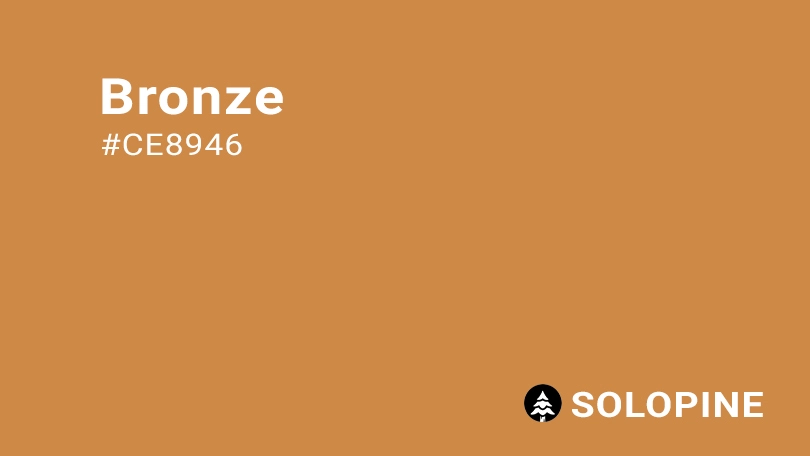
How does bronze appear on digital display?
When it comes to replicating the rich, warm tones of bronze on digital screens, consistency is key. This timeless color can be accurately represented using specific color codes and values that ensure its appearance remains uniform across different devices and platforms. Here’s how you can define bronze for digital use:
- HEX Code : #CE8946
- RGB Values : 80.8% red, 53.7% green, and 27.5% blue
These standardized values help bring the essence of bronze to life on any screen. Whether you’re designing a website, creating digital art, or developing user interfaces, these codes allow you to maintain the authenticity of this captivating hue. By using these precise settings, you can ensure that the warmth and depth of bronze shine through, delivering an engaging visual experience for your audience.
Remember, while digital representation may vary slightly depending on screen calibration, adhering to these guidelines will keep your colors as close as possible to their true form.
Bronze in UI design: best practices and considerations
Bronze is a versatile and sophisticated color that can elevate your UI designs when used thoughtfully. Here are some effective strategies for incorporating bronze into your projects:
- Accent and Highlight : Bronze works beautifully as an accent color for buttons, icons, or other interactive elements. Its warm and rich tones add depth and visual interest to your design, making it ideal for drawing attention to key features without overwhelming the user interface.
- Emphasize Themes : This hue carries strong associations with luxury, wealth, and tradition, making it perfect for high-end branding or seasonal campaigns like autumn-inspired designs. By leveraging its natural warmth and elegance, you can create visually appealing experiences that resonate with users.
- Establish Trust and Security : Bronze’s grounding qualities evoke feelings of strength and stability, which makes it an excellent choice for industries such as finance, e-commerce, and app development. It helps build trust and reassurance among users, enhancing their overall experience.
It’s important to note that while bronze has universal appeal, cultural interpretations of color can vary widely. If you’re designing for a global audience, take the time to research how different cultures perceive this shade so you can tailor your approach accordingly. With careful consideration, bronze can become a powerful tool in your design arsenal, bringing both aesthetic value and meaningful impact to your work.
Similar colors to bronze
If you’re looking to explore colors that share the warm and inviting qualities of bronze, there are several excellent options within the same color spectrum. These shades can complement or substitute bronze in your designs, offering a range of moods and tones. Here are some notable choices:
- Dark Orange (#C76E00) : This vibrant hue is slightly brighter than bronze and radiates with warmth and energy. It’s perfect for adding a touch of vibrancy while maintaining the cozy feel of the bronze family.
- Copper (#C68346) : Often considered the base tone of bronze, copper leans more towards red undertones. Its rich and metallic appearance makes it an ideal choice for designs aiming to convey luxury and sophistication.
- Cinnamon (#D47E30) : A delightful blend of brown, orange, and red, cinnamon evokes feelings of comfort and familiarity. This earthy tone is great for creating welcoming and approachable designs.
- Terracotta (#E35336) : With its orange-red undertones and hints of pink, terracotta is reminiscent of desert landscapes. This bold yet warm shade adds a rustic charm and can be used to create striking contrasts in your projects.
When selecting similar colors to bronze, consider the mood and message you want to convey. Each of these hues offers unique characteristics that can enhance your design while staying true to the warm and inviting essence of bronze. Always test how these colors interact with each other to ensure harmony and balance in your palette.
Colors that complement bronze
When designing with bronze, choosing complementary colors can enhance its natural warmth and depth, creating a harmonious and visually appealing palette. Here are some excellent options to pair with bronze:
- Cornflower Blue (#6395EE) : This cool-toned blue provides a striking contrast to the warm hues of bronze. The combination creates a dynamic yet balanced look, perfect for designs that need both energy and tranquility.
- Crimson Red (#B22222) : By pairing bronze with crimson red, you achieve a rich, inviting palette that exudes comfort and elegance. This duo is ideal for projects aiming to evoke feelings of luxury and coziness.
- Beige (#EDE8D0) : A neutral shade like beige allows the orange undertones of bronze to shine. This pairing is timeless and versatile, making it suitable for a wide range of applications, from interior design to digital interfaces.
- Green Sage (#98A869) : For a nature-inspired touch, green sage combines beautifully with bronze. Together, they create a calming and earthy atmosphere, perfect for designs focused on relaxation and serenity.
In addition to these options, consider experimenting with navy blue for a darker, more dramatic contrast; dark green to emphasize an earthy, organic feel; or various shades of gray for a sleek, neutral complement. Each of these combinations can bring out different facets of bronze’s character, ensuring your design stands out while maintaining balance and harmony. Always test how these colors interact to find the perfect match for your project.
Colors that conflict with bronze
Although bronze is a versatile and adaptable color, certain combinations can create visual tension or disharmony. When selecting colors to pair with bronze, it’s important to avoid those that clash with its warm and grounding nature. Here are some colors that may not work well alongside bronze:
- Bright Yellow (#FFED29) : While yellow is a vibrant and cheerful color, its high intensity can overwhelm bronze, creating too much contrast and potentially causing eye fatigue. The result is an unbalanced look that detracts from the elegance of bronze.
- Periwinkle (#CCCCFF) : This cool-toned purple clashes with the warmth of bronze, as the two tones sit on opposite ends of the color spectrum. The combination can feel disjointed and lack harmony, making it less than ideal for most design projects.
- Bright Orange (#FF991C) : Although both colors share warm undertones, bright orange’s intensity can compete with bronze rather than complement it. The similarity in warmth but difference in tone creates a disharmonious effect, leading to an unsettling visual experience.
- Pastel Green (#80EF80) : Light and cool-toned greens like pastel green tend to neutralize the rich warmth of bronze. This pairing can make bronze appear muted or washed out, diminishing its natural charm and depth.
- Hot Pink (#FF46A2) : Hot pink’s bold and energetic presence can overpower bronze, pulling focus away from its sophisticated appeal. The stark contrast between the two can also reduce the warmth and stability associated with bronze.
When working with bronze, it’s essential to choose complementary colors that enhance its qualities rather than conflict with them. By steering clear of these clashing hues, you can ensure your design remains balanced, cohesive, and visually appealing. Always test your color palette to see how each shade interacts with bronze before finalizing your project.
What does bronze symbolize?
Bronze is a color rich in symbolism, carrying with it a variety of meanings that resonate across different contexts. Here’s what bronze represents and how it can influence design and perception:
- Wealth and Luxury : Historically linked to opulence and prestige, bronze evokes a sense of luxury and refinement. Its metallic undertones give it an air of sophistication, making it a popular choice for high-end branding or premium designs.
- Strength and Stability : Beyond its association with wealth, bronze symbolizes power and resilience. This connection stems from its namesake metal, which has long been used in construction and art due to its durability. In design, this quality can help convey reliability and steadfastness.
- Connection to Nature : From a psychological perspective, bronze’s warm, earthy tones remind us of natural elements like soil, wood, and sunlight. This grounding effect promotes feelings of stability and comfort, creating a harmonious atmosphere in both physical and digital spaces.
- Versatility in Mood : Depending on the specific shade, bronze can evoke either warmth and familiarity or seriousness and sophistication. Lighter shades tend to feel inviting and approachable, while darker tones lean toward a more formal and authoritative presence.
In the realm of UI design, bronze plays a unique role. While not as bold as gold or silver, it still commands attention when used strategically. As an accent color, it draws the eye without overwhelming the user experience, making it ideal for highlighting buttons, icons, or other interactive elements. Additionally, its timeless appeal makes it a fitting choice for designs focused on history, education, or classic aesthetics. Whether you’re aiming for elegance, strength, or warmth, bronze offers endless possibilities for creative expression.
The history of bronze
The captivating story of bronze stretches back to the dawn of civilization, marking such a profound impact on human development that an entire era was named after it – the Bronze Age (3300-1200 BCE). This revolutionary metal alloy, created by combining copper with tin, transformed ancient societies and continues to influence our world today.
Archaeological evidence reveals that the discovery of bronze sparked unprecedented technological and cultural advances across ancient civilizations. Early metalworkers found that this copper-tin fusion produced a material significantly harder and more durable than its individual components, leading to rapid innovations in tools, weapons, and artistic expression.
The practical applications of bronze quickly expanded beyond basic tools. Ancient artisans crafted elaborate bronze sculptures that have endured for millennia, while warriors wielded bronze swords and armor that revolutionized warfare. Agricultural communities benefited from stronger bronze plowshares and farming implements, dramatically improving food production and supporting population growth.
In the realm of language and culture, the term “bronze” itself has an interesting etymology. While the material had been in use for millennia, the word specifically describing its distinctive reddish-brown color wasn’t documented until 1753. This linguistic development reflects humanity’s evolving relationship with this versatile metal.
Bronze’s legacy extends far beyond its historical significance. Today, the metal symbolizes:
- resilience and durability: bronze’s remarkable resistance to corrosion and wear has made it a metaphor for lasting strength in various cultures;
- artistic excellence: the metal’s unique properties continue to inspire sculptors and craftspeople in creating timeless works of art;
- achievement and recognition: third-place medals and commemorative statues in bronze acknowledge significant accomplishments across various fields.
The enduring impact of bronze on human civilization showcases how a single technological innovation can reshape society, leaving an indelible mark on our collective history and cultural development.
Color variations
Shades
Tints
Tones
Hues
Color harmonies
Complementary
Split
Monochromatic
Analogous
Triadic
Square
Accessibility: contrast checker
Lorem Ipsum
Lorem ipsum dolor sit amet, consectetur adipiscing elit. Sed sollicitudin nunc sit.
Lorem Ipsum
Lorem ipsum dolor sit amet, consectetur adipiscing elit. Sed sollicitudin nunc sit.
WCAG 2.2 SIMPLE CONTRAST
WCAG 2.2 SIMPLE CONTRAST
Color simulations
Protanopia
Deuteranopia
Tritanopia
Achromatopsia
Color conversion
The hexadecimal color #CE8946, known as amber, has RGB values of R:255, G:191, B:0 and CMYK values of C:0, M:0.25, Y:1, K:0.
| VALUE | CSS | |
|---|---|---|
| HEX | CE8946 | #CE8946 |
| RGB DECIMAL | 206, 137, 70 | RGB(206,137,70) |
| RGB PERCENTAGE | 80.8, 53.7, 27.5 | RGB(80.8%,53.7%,27.5%) |
| CMYK | 0, 33, 66, 19 | |
| HSL | 29.6°, 58.1, 54.1 | HSL(29.6,58.1%,54.1%) |
| HSV (OR HSB) | 29.6°, 66, 80.8 | |
| WEB SAFE | CC9933 | #CC9933 |
| CIE-LAB | 62.892, 20.047, 45.797 | |
| XYZ | 35.505, 31.458, 9.996 | |
| xyY | 0.461, 0.409, 31.458 | |
| CIE-LCH | 62.892, 49.993, 66.359 | |
| CIE-LUV | 62.892, 54.335, 47.858 | |
| HUNTER-LAB | 56.087, 14.845, 28.694 | |
| BINARY | 11001110, 10001001, 01000110 | |
| iOS – SwiftUI | Color(red: 0.808, green: 0.537, blue: 0.275) | |
| iOS – UIKit | UlColor(red: 0.808, green: 0.537, blue: 0.275, alpha: 1) | |
| Android – Compose | Color(0xFFCE8946) |