

Aqua, a captivating hue that effortlessly draws attention, is often described as a vibrant and refreshing shade nestled between the realms of green and blue on the color spectrum. This unique color mirrors the sparkling allure of tropical waters, offering a sense of tranquility and rejuvenation.
The name “aqua” itself resonates with purity and clarity, making it a popular choice in various design contexts, from fashion to home décor. Its bright and lively essence not only uplifts spaces but also evokes feelings of freshness and invigoration, perfect for creating environments that feel both serene and energizing.
Whether you’re looking to add a splash of this stunning shade to your wardrobe or seeking inspiration for your next interior design project, aqua stands out as a versatile and timeless option that brings a touch of nature’s beauty indoors. Explore the many facets of aqua and discover how this remarkable color can transform any setting into a haven of calm and vibrancy.
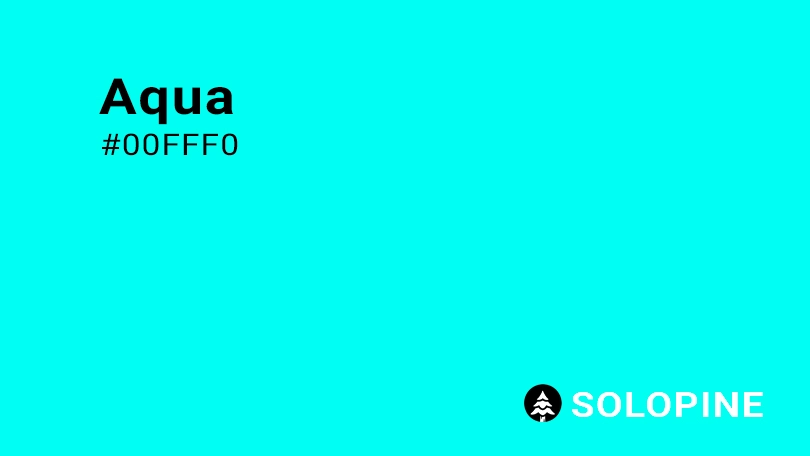
How does aqua appear on digital display?
Understanding how aqua appears on digital displays is crucial for designers aiming to create visually stunning and accessible interfaces. Aqua is characterized by specific color codes and values that ensure its consistency across various platforms and devices. Here are the essential details:
- HEX code: #00FFF0;
- RGB value: 0% red, 100% green, and 94.1% blue.
These precise metrics are essential for replicating the refreshing and vibrant essence of aqua accurately in digital designs.
Incorporating aqua into UX and UI design brings a sense of tranquility and freshness, reminiscent of clear waters and serene natural environments. This cool, calming hue can significantly enhance visual elements, making them both inviting and modern. However, it’s vital to consider accessibility when choosing colors like aqua for your designs. Ensuring that your color choices meet Web Content Accessibility Guidelines (WCAG) is critical for creating inclusive user experiences.
Aqua’s unique combination of green and blue hues makes it an excellent choice for backgrounds, buttons, and other interactive elements, guiding users through interfaces with ease. Its natural, calming properties contribute to a peaceful and engaging user experience, fostering positive interactions and satisfaction. Whether used to evoke a sense of calm or to highlight key features, aqua’s distinct qualities add a touch of elegance and vibrancy to any project.
By understanding and utilizing aqua’s specific color codes—such as its HEX and RGB values—designers can seamlessly integrate this captivating shade into their projects. This not only enhances the aesthetic appeal but also ensures functional excellence. Incorporating aqua thoughtfully allows designers to craft interfaces that resonate well with their audience, combining beauty with usability. With careful consideration of color codes and accessibility, aqua becomes an invaluable asset in creating compelling and accessible digital experiences.
Aqua in UI design: best practices and considerations
When integrating aqua into your designs, several key strategies can help you maximize its potential while ensuring a seamless user experience. To begin with, use contrast to enhance readability by pairing aqua with neutral colors like white or cream. This combination ensures that essential elements such as navigation menus remain highly visible and easy to read, creating a clear visual hierarchy that guides users effortlessly through your interface.
Another effective approach is to evoke a beachy vibe using aqua. Few colors capture the essence of white sands and clear waters as vividly as aqua does. By applying this refreshing hue in backgrounds and headers, you can craft an atmosphere of leisure and recreation within your design. This not only adds aesthetic appeal but also creates a sense of calm and relaxation, making it ideal for applications related to travel, wellness, or lifestyle.
Furthermore, add eye-catching accents with aqua’s vibrant energy. Its striking nature makes buttons, icons, and call-to-action (CTA) elements stand out prominently, encouraging user interaction and engagement. Whether used to highlight important features or guide users toward specific actions, aqua’s luminous quality draws attention effectively, enhancing overall usability and user satisfaction.
It’s crucial to remember that color meanings can vary across cultures , and aqua is no exception. While it may evoke tranquility and freshness in one region, it could have different connotations elsewhere. If your design targets a global audience, conducting thorough research on color considerations for each specific region is essential. Understanding these cultural nuances allows you to tailor your palette thoughtfully, ensuring that your use of aqua resonates positively with diverse user groups.
By following these best practices, designers can harness the unique qualities of aqua to create visually appealing and functionally superior interfaces. From enhancing readability and evoking serene atmospheres to adding dynamic accents and respecting cultural contexts, aqua offers a versatile tool for crafting engaging and inclusive digital experiences. With careful consideration and strategic implementation, aqua can elevate your designs, making them both beautiful and meaningful.
Similar colors to aqua
When exploring variations within the same blue-green spectrum as aqua, several shades stand out as excellent alternatives, each bringing its unique charm and versatility. Here are some similar colors to consider:
- Seafoam (#8DDCDC) is a mellow counterpart to aqua’s beachy vibe. This softer shade retains the refreshing essence of aqua but with a gentler, more subdued appearance. Seafoam can add a calming touch to designs, making it ideal for creating tranquil and soothing environments.
- Aquamarine (#66F1C2) brings more green into the mix, offering a warmer, more subdued feel compared to the bright clarity of aqua. Its balanced blend of blue and green hues makes it an excellent choice for designers looking to evoke a sense of harmony and natural beauty in their projects.
- Electric blue (#00F0FF) is a cooler color but just as bright and peppy. While slightly more vibrant than aqua, electric blue shares its energetic and eye-catching qualities. This vivid shade can be used to create striking contrasts and draw attention to key elements within a design, ensuring they stand out effectively.
- Turquoise (#40E0D0) conveys a slightly more relaxed atmosphere with its deeper hue. Turquoise offers a rich, saturated alternative that still aligns with the cool, refreshing essence of aqua. Its depth and complexity make it a versatile option for adding sophistication and elegance to various design elements.
By incorporating these similar colors into your palette, you can achieve a cohesive look that echoes the inviting freshness of aqua while introducing diverse hues that enhance visual interest and emotional engagement.
Whether you choose Seafoam’s gentle tranquility, Aquamarine’s harmonious warmth, Electric Blue’s vibrant energy, or Turquoise’s sophisticated depth, these shades provide valuable options for designers aiming to create captivating and balanced designs. Each of these colors, in its own way, enriches the overall aesthetic, ensuring your projects resonate with both vibrancy and subtlety, making them visually appealing and emotionally engaging.
Colors that complement aqua
When aiming to complement the vivid and refreshing essence of aqua, selecting the right color pairings can significantly enhance your design’s overall impact. Here are some colors that go well with aqua, each adding its unique touch:
- Cream (#FDFBD4) provides a clean, neutral contrast to aqua’s vividness. This soft, light hue serves as an excellent backdrop, allowing aqua elements to stand out prominently while maintaining a sense of balance and harmony. Cream’s gentle tone ensures that the design remains elegant and uncluttered, making it ideal for creating soothing and inviting spaces.
- Pink (#FF8DA1) complements aqua’s tropical mood with a sense of fun and youthfulness. The playful nature of pink adds a lively energy to designs, creating a cheerful and vibrant atmosphere. This combination works particularly well for projects targeting younger audiences or those seeking to evoke a carefree, vacation-like vibe.
- Yellow (#FFFF00) contrasts the coolness of aqua with a warmth that suggests pineapple, sand, and sunshine. Yellow’s bright, sunny disposition brings a burst of energy and optimism, perfectly balancing aqua’s cooler tones. Together, these hues create a dynamic and uplifting palette that evokes feelings of summer and outdoor adventures.
- Peach (#FFD3AC) is a soft but playful color that balances aqua’s brightness. Its warm undertones provide a gentle contrast, making the design feel welcoming and cozy. Peach adds a touch of sweetness and charm, ensuring that the overall composition remains inviting and visually appealing.
In addition to these core pairings, other colors worth considering include black and dark blue for dramatic contrast. These deep shades offer a striking juxtaposition to aqua’s freshness, adding depth and sophistication to the design. White can serve as a stark backdrop, highlighting aqua’s vibrancy and ensuring all elements remain clear and legible. For a more relaxed shade that blends seamlessly with aqua’s boldness, baby blue is an excellent choice. It maintains the cool, calming essence of aqua while introducing subtle variations that keep the design interesting and cohesive.
By thoughtfully integrating these complementary colors, designers can elevate the natural beauty of aqua, creating visually stunning and emotionally engaging experiences. Whether aiming for a playful, energetic feel or a serene, balanced aesthetic, the right color combinations will help you craft designs that truly resonate with your audience, leveraging the unique qualities of aqua to their fullest potential.
Colors that conflict with aqua
While aqua is a dynamic and vivid color that brings freshness and energy to any design, certain shades may clash with its oceanic vibrancy. To ensure your palette remains harmonious, it’s essential to be mindful of colors that can create visual discord when paired with aqua. Here are some hues to avoid:
- Lime green (#89F336) can have a jarring effect when placed next to aqua. The high intensity and brightness of lime green might overwhelm the cool, refreshing nature of aqua, resulting in an unbalanced and visually unsettling combination. This contrast can detract from the overall aesthetic appeal and make elements difficult to read or navigate.
- Brown (#895129) has an earthy richness that clashes with aqua’s oceanic atmosphere. While brown evokes warmth and stability, its deep, grounded tones can feel heavy and out of place when juxtaposed with the lightness and clarity of aqua. This mismatch can disrupt the flow of the design and create a sense of dissonance.
- Sage (#BBB791) is a subdued, leafy color that may create a jarring contrast with aqua’s sharp, blue-green hues. Sage’s muted, earthy quality can appear dull and lifeless when paired with the vibrant and lively nature of aqua. The lack of harmony between these two shades can lead to a disjointed appearance, making the design less cohesive and appealing.
- Indigo (#560591) has a depth and darkness that can overshadow aqua’s clarity and zest. Indigo’s rich, deep tones possess a strong presence that can dominate the composition, reducing the impact of aqua’s refreshing qualities. This overpowering effect can diminish the intended mood and atmosphere, leaving the design feeling imbalanced and overly somber.
By avoiding these conflicting colors, designers can maintain the natural beauty and charm of aqua while creating visually coherent and engaging designs. Understanding which hues complement or clash with aqua allows for more thoughtful and strategic color choices, ensuring that every element within the palette works together harmoniously.
Whether aiming for a serene, aquatic theme or a vibrant, energetic vibe, selecting compatible colors will help you achieve a balanced and captivating result, enhancing the overall user experience and aesthetic appeal.
What does aqua symbolize?
Aqua symbolizes rejuvenation, clarity, and tranquility, embodying the refreshing essence of clear tropical waters that soothe, invigorate, and cleanse. Its bright, blue-green hues evoke a sense of liveliness and energy, making it a captivating choice for various design applications. Here’s a deeper look into what aqua represents:
- Rejuvenation and Clarity: As its name suggests, aqua conjures images of pristine oceanic vistas, where the water’s purity reflects sunlight in mesmerizing ways. This connection to natural elements underscores its symbolic link to renewal and mental clarity. The color invites viewers to imagine themselves in serene environments, promoting feelings of calm and well-being.
- Tranquility and Energy: In color psychology, aqua holds a deeply purifying influence, rooted in its association with sunlit seas and sandy beaches. Its cool, striking tones can evoke feelings of refreshment and zest, offering a perfect balance between relaxation and vitality. This duality makes aqua an ideal shade for spaces designed to promote both peace and activity.
- Refreshing Influence: Aqua’s vibrant yet soothing nature has a unique ability to uplift spirits and create a sense of openness. Whether used in interior decor or digital interfaces, this color can transform mundane settings into inviting sanctuaries. It encourages a fresh perspective and fosters creativity, making it particularly effective in environments where mental clarity and emotional balance are essential.
In UI design, aqua can craft a leisurely atmosphere reminiscent of travel and tropical getaways. Its vibrancy makes it an excellent choice for accents and highlighting points of interest, drawing users’ attention effortlessly. For instance, using aqua for buttons, icons, or call-to-action elements can enhance user engagement by adding a dynamic touch without overwhelming other design components. However, due to its intensity, aqua should be used sparingly to avoid overpowering complementary colors. Balancing its presence ensures that the design remains harmonious and visually appealing.
By understanding the profound symbolism of aqua, designers can harness its potential to create immersive and emotionally resonant experiences. Whether aiming to convey a sense of calm, inspire energy, or highlight key features, aqua’s versatile qualities make it an invaluable asset in any palette. Its inherent connection to nature and its ability to evoke positive emotions ensure that designs incorporating aqua will leave a lasting impression on viewers, fostering a deeper appreciation for the beauty and serenity it represents.
The history of aqua
Aqua’s enduring association with water traces back to ancient civilizations, where it held significant cultural and spiritual importance. In ancient Egypt, aqua was considered sacred due to its deep connection with the sea and Hapi, the revered god of the Nile River. Egyptians used natural pigments to create aqua hues, incorporating them into their art and decorations at sacred sites such as tombs and temples. This early use highlighted aqua’s symbolic link to life-giving waters and divine protection, solidifying its place in historical color palettes.
As centuries passed, aqua continued to evolve in significance and application. By the 20th century, design movements like Art Deco and mid-century modern embraced aqua for its vibrancy and freshness. These eras saw aqua integrated into various facets of design, from fashion and home decor to advertising campaigns. The color became synonymous with modernity and sophistication, bringing a sense of liveliness and elegance to every project it touched. Whether adorning sleek furniture pieces or vibrant posters, aqua played a pivotal role in shaping the aesthetic trends of these periods.
However, the popularity of aqua experienced a decline during the 1970s, as tastes shifted towards more earthy tones and muted palettes. Despite this temporary dip, the color made a remarkable comeback in the 1980s alongside the resurgence of neon shades. This revival brought aqua back into the spotlight, now paired with bold, electric colors that captured the energetic spirit of the decade. Designers once again recognized its ability to add a splash of vibrancy and tropical flair to any setting.
The name “aqua” itself derives from the Latin word for “water,” underscoring its intrinsic connection to aquatic elements. Even today, this association remains strong, making aqua a go-to choice for designers seeking to evoke a sense of freshness, tranquility, and natural beauty. Whether used to depict oceanic scenes, enhance interior spaces, or infuse digital interfaces with a cool, inviting touch, aqua continues to be a versatile and beloved color.
By understanding the rich history and evolving significance of aqua, designers can appreciate its timeless appeal and versatility. From its ancient roots in Egyptian culture to its modern-day applications across diverse fields, aqua has consistently demonstrated its ability to captivate and inspire. Its enduring presence in design speaks to its unique qualities—refreshing, vibrant, and deeply connected to the essence of water. Incorporating aqua thoughtfully allows creators to harness its full potential, crafting designs that resonate with both aesthetic beauty and profound symbolism.
Color variations
Shades
Tints
Tones
Hues
Color harmonies
Complementary
Split
Monochromatic
Analogous
Triadic
Square
Accessibility: contrast checker
Lorem Ipsum
Lorem ipsum dolor sit amet, consectetur adipiscing elit. Sed sollicitudin nunc sit.
Lorem Ipsum
Lorem ipsum dolor sit amet, consectetur adipiscing elit. Sed sollicitudin nunc sit.
WCAG 2.2 SIMPLE CONTRAST
WCAG 2.2 SIMPLE CONTRAST
Color simulations
Protanopia
Deuteranopia
Tritanopia
Achromatopsia
Color conversion
The hexadecimal color #00FFF0, known as amber, has RGB values of R:0, G:255, B:240 and CMYK values of C:1, M:0, Y:0.06, K:0.
| VALUE | CSS | |
|---|---|---|
| HEX | 00FFF0 | #00FFF0 |
| RGB DECIMAL | 0, 255, 240 | RGB(0,255,240) |
| RGB PERCENTAGE | 0, 100, 94.1 | RGB(0%,100%,94.1%) |
| CMYK | 100, 0, 6, 0 | |
| HSL | 176.5°, 100, 50 | HSL(176.5°,100%, 0%) |
| HSV (OR HSB) | 176.5°, 100, 100 | |
| WEB SAFE | 00FFFF | #00FFFF |
| CIE-LAB | 90.691, -52.297, -6.984 | |
| XYZ | 51.483, 77.806, 94.738 | |
| xyY | 0.23, 0.347, 77.806 | |
| CIE-LCH | 90.691, 52.761, 187.607 | |
| CIE-LUV | 90.691, -71.69, -2.79 | |
| HUNTER-LAB | 88.208, -50.181, -1.934 | |
| BINARY | 00000000, 11111111, 11110000 | |
| iOS – SwiftUI | Color(red: 0, green: 1, blue: 0.941) | |
| iOS – UIKit | UIColor(red: 0, green: 1, blue: 0.941, alpha: 1) | |
| Android – Compose | Color(0xFF00FFF0) |