

Amber is a warm and inviting color that beautifully blends the golden glow of yellow with the rich, vibrant tones of orange. This unique shade radiates a sunny, cheerful vibe, reminiscent of its namesake—the stunning fossilized tree resin known for its natural beauty and historical significance. Positioned perfectly between yellow and orange on the color spectrum, amber stands out as an exceptional choice for designers looking to infuse their projects with warmth and luminosity.
Its radiant and cozy appeal makes it ideal for enhancing various visual elements, ensuring that any design feels both welcoming and sophisticated. Whether used in interior decor, fashion, or digital art, amber’s distinct characteristics bring a touch of timeless elegance, making it a favorite among those who appreciate its unique charm and versatility. For anyone seeking to create a space that exudes comfort and sophistication, incorporating the captivating hue of amber can truly make all the difference.
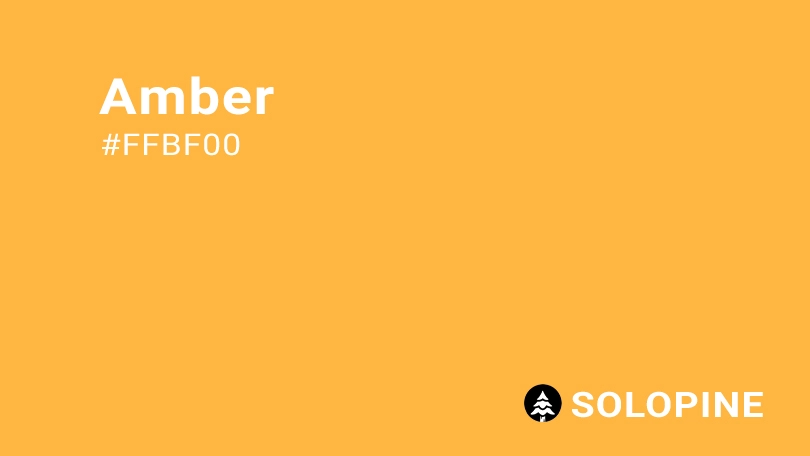
How does amber appear on digital display?
When considering how amber appears on digital screens, it’s vital to understand the specific color codes and values that ensure its consistency across various platforms and devices. Amber is characterized by a distinct HEX code of #FFBF00, which translates to an RGB value of 100% red, 74.9% green, and 0% blue. These precise metrics are crucial for designers aiming to replicate the warm, inviting essence of amber accurately in their digital creations. This golden hue, reminiscent of its namesake—the fossilized tree resin—brings a sunny, cheerful vibe to any design, making it a popular choice for adding warmth and luminosity.
However, incorporating amber into UX and UI designs involves more than just aesthetic appeal; accessibility considerations are equally important. Ensuring that your color choices meet Web Content Accessibility Guidelines (WCAG) is essential for creating inclusive and user-friendly experiences.
Amber in UI design: best practices and considerations
When incorporating amber into UI design, its rich, golden tones can infuse warmth and vibrancy, making it a standout choice for enhancing user interfaces. To effectively leverage amber’s potential, consider these strategic approaches:
- Firstly, create contrast and hierarchy by utilizing amber to establish a clear visual structure. Its vibrant nature makes it perfect for popping against both light and dark backgrounds, ensuring that titles, buttons, or other key elements stand out. This not only improves readability but also guides the user’s eye seamlessly through your content, creating an intuitive navigation experience.
- Secondly, evoke positive emotion with amber’s warm glow. This inviting hue can transform web and app interfaces into cozy, welcoming spaces. Imagine a travel booking platform where amber accents evoke the excitement and warmth of a dream vacation, instantly connecting users with the joy of exploration. By integrating amber thoughtfully, you can foster a positive emotional response, enhancing overall user satisfaction.
- Thirdly, guide user interaction by using amber as an accent color for interactive elements. Highlighting features like “Book Now” buttons with amber draws immediate attention, encouraging users to engage more actively with your interface. This subtle yet powerful technique can significantly boost user engagement and drive desired actions.
- Lastly, remember that color meanings vary across cultures . While amber may convey warmth and positivity in one region, it could have different connotations elsewhere. If designing for a global audience, it’s crucial to research and understand cultural nuances related to color usage in specific regions. This ensures your design resonates positively with diverse user groups, avoiding any unintended misinterpretations.
By strategically applying amber in UI design, you can create visually appealing, emotionally engaging, and culturally sensitive interfaces that captivate and guide users effectively. Whether used for contrast, emotion, or interaction, amber’s unique qualities make it an invaluable asset in the designer’s toolkit.
Similar colors to amber
When exploring colors that share the radiant and warm spectrum of amber, several shades stand out as excellent alternatives, each bringing its unique charm. Here are some similar colors to consider:
- goldenrod (#DAA520): captures the essence of amber with a slightly more subdued luminosity, evoking the warm, natural feel of late summer fields. This color offers a natural, earthy feel that complements amber’s golden glow while providing a more understated presence;
- marigold (#FBE870): is lighter and brighter, offering a sunny, cheerful hue that shares amber’s inviting warmth and vibrant energy. Marigold’s luminous quality adds a playful touch, ensuring your projects exude positivity and friendliness. Its lively tone can be particularly effective in designs that aim to uplift and energize;
- saffron (#F4C430): introduces a hint of orange, mirroring amber’s golden glow with a slightly more exotic and spicy undertone. This shade brings a unique blend of warmth and intrigue, making it a versatile choice for adding depth and character to various design elements. Saffron’s distinctive flair can enhance visual interest and evoke a sense of adventure;
- mustard (#FFDB58): is a more muted version, retaining the warmth of amber while adding a touch of earthiness for a more understated appeal. Mustard works exceptionally well in designs that require a balance between vibrancy and subtlety, creating a harmonious and welcoming atmosphere. Its gentle yet warm presence ensures it remains a reliable option for designers seeking versatility.
By incorporating these similar colors into your palette, you can achieve a cohesive look that echoes the inviting warmth of amber while introducing diverse hues that enhance visual interest and emotional engagement. Whether you choose Goldenrod’s natural elegance, Marigold’s cheerful brightness, Saffron’s exotic flair, or Mustard’s earthy charm, these shades provide valuable options for designers aiming to create captivating and balanced designs. Each of these colors, in its own way, enriches the overall aesthetic, ensuring your projects resonate with warmth and sophistication.
Colors that complement amber
When aiming to enhance the glowing tones of amber, choosing the right complementary colors can make a significant difference in creating a balanced and visually appealing palette. To achieve this harmony, consider pairing amber with several shades that highlight its warmth and vibrancy:
- Deep teal (#00585E) provides a rich, contrasting backdrop that makes amber’s brightness truly pop, evoking the depth of ocean waters against a sunset. This combination creates a striking visual impact, perfect for designs that require a bold yet elegant touch.
- Charcoal gray (#4A4A4A) offers a neutral, sophisticated balance to amber’s vibrancy, grounding the palette with modern elegance. The understated nature of charcoal gray ensures that amber remains the focal point while adding a refined edge to the overall design.
- Ivory (#FFFFE3) is soft and light, creating a gentle contrast that enhances amber’s warmth for a cozy, inviting atmosphere. This pairing is ideal for designs that aim to evoke comfort and tranquility, making spaces feel welcoming and serene.
- Plum (#8E4585) adds a deep, luxurious complement, pairing beautifully with amber for a rich, autumnal vibe. The combination of these two hues brings a sense of luxury and sophistication, making it an excellent choice for high-end or seasonal themes.
- Forest green (#2E6F40) grounds the palette with its deep, natural hue, echoing the colors of a sunlit forest and highlighting amber’s earthy qualities. This combination brings a sense of connection to nature, making it perfect for eco-friendly or organic-themed designs.
In addition to these core pairings, other colors worth considering include navy blue for a classic, dignified look, cream for a soft, harmonious blend, and burgundy for a bold, dramatic contrast. Each of these options offers unique benefits, allowing designers to tailor their palettes according to the specific mood and message they wish to convey.
By thoughtfully integrating these complementary colors, you can elevate the inherent beauty of amber, ensuring your designs stand out with warmth, elegance, and versatility. Whether you’re aiming for a natural, luxurious, or contemporary feel, the right color combinations will help you create visually stunning and emotionally engaging experiences.
Colors that conflict with amber
While amber is a versatile and warm color that can enhance various design elements, it’s important to recognize that certain shades may conflict with its natural glow and vibrancy. To ensure your designs maintain harmony and balance, consider avoiding these colors that might clash with amber:
- Lime green (#89F336), with its high intensity, might detract from amber’s warmth, creating a visually unsettling combination. This vivid shade tends to dominate the palette, potentially diluting the inviting essence of amber.
- Electric blue (#00F0FF) offers a cool, vivid contrast that can overshadow the subtlety and warmth of amber, leading to a clash of energies. The sharpness of electric blue contrasts sharply with amber’s golden hues, resulting in a disjointed appearance.
- Neon orange (#FFA500), while close in the spectrum, can compete too directly with amber, resulting in a palette that lacks distinction and balance. When used together, these similar yet competing tones can create confusion and reduce the overall impact of your design.
- Bright purple (#800080), though regal, can overpower amber’s golden glow with its dominance, potentially creating a discordant visual effect. The boldness of bright purple may overwhelm the gentle radiance of amber, disrupting the intended aesthetic.
Understanding which colors conflict with amber allows designers to make informed choices, ensuring their projects remain visually appealing and coherent. By steering clear of these problematic combinations, you can highlight amber’s unique qualities and create designs that truly resonate with warmth and sophistication.
What does amber symbolize?
Amber, with its natural beauty and sun-like glow, holds deep symbolic meaning that resonates across various cultures and contexts. This captivating color represents warmth, comfort, and nostalgia, making it a powerful choice for designers aiming to evoke positive emotions. The yellow aspects of amber bring brightness and optimism, while its orange hues inspire creativity and innovation. These dual qualities make amber an excellent choice for designs seeking to uplift and engage viewers.
Across different cultures, amber’s significance varies yet remains profound. In ancient Greece, amber was revered as Apollo’s divine gift, symbolizing eternal life and the enduring power of the sun. In Chinese culture, this radiant hue stands for courage and strength, embodying resilience and fortitude. Meanwhile, in Native American traditions, amber is regarded as a protective talisman, believed to ward off negative energies and bring peace and harmony.
In the realm of color psychology, amber’s joyful hue promotes energy, stimulating the senses and sparking enthusiasm and excitement. Its vibrant nature encourages positivity and fosters a sense of well-being, making it a favorite among those looking to create uplifting environments. This psychological impact extends into UI/UX design, where amber plays a crucial role in enhancing user interfaces. By highlighting important features such as call-to-action (CTA) buttons and notifications, amber significantly improves user engagement. It creates a warm, welcoming atmosphere, leveraging its psychological effects to enhance the overall user experience.
Designers often use amber to make their brands appear friendly and lively, ensuring users feel comfortable and connected. Whether used in fashion, interior decor, or digital art, amber brings a touch of luxury and charm, enhancing any environment with its radiant allure. Its versatility makes it a beloved hue across cultures and industries, representing both modernity and tradition in equal measure. By understanding and harnessing the symbolic power of amber, creators can craft designs that not only look stunning but also deeply resonate with their audiences, fostering a lasting emotional connection.
The history of amber
The name amber originates from the remarkable material known as amber—a fossilized tree resin that has been admired for centuries due to its natural beauty and warm, sun-like glow. The English language first documented the use of “amber” as a color name around 1500, but its significance stretches far beyond this linguistic milestone. Historically, amber has been deeply intertwined with magic, spirituality, and even healing practices, making it a fascinating subject in both cultural and scientific contexts.
Ancient civilizations recognized amber’s unique qualities and revered it as a precious substance. From the ancient Greeks, who believed it was formed from the tears of the Heliades mourning their brother Phaethon, to the Egyptians, who used it in various rituals and adornments, amber held a special place in many societies. Crafted into exquisite jewelry, amulets, and decorative objects, amber often symbolized wealth, status, and protection. These artifacts were not merely ornamental; they carried profound spiritual and cultural meanings, serving as talismans believed to ward off evil spirits and bring good fortune.
In addition to its aesthetic appeal, amber was also valued for its purported healing properties. Ancient healers used amber in various remedies, believing it could alleviate pain, boost immunity, and promote overall well-being. This association with health and vitality further cemented amber’s importance in daily life and religious ceremonies.
As trade routes expanded, amber became a sought-after commodity, traded across continents and cherished by diverse cultures. The famous Amber Road connected the Baltic Sea to the Mediterranean, facilitating the exchange of this precious material and fostering economic growth along its path. Amber’s journey through history is marked by its enduring allure and versatility, from being carved into intricate figurines to being used in perfumery and incense.
Today, amber continues to captivate artists, designers, and collectors alike. Its rich golden tones inspire modern creations while paying homage to its storied past. Whether used in contemporary art, high-end fashion, or cutting-edge technology, amber remains a timeless symbol of warmth, elegance, and sophistication. By understanding the profound history and cultural significance of amber, we can appreciate its lasting impact on human civilization and its continued relevance in our modern world.
Color variations
Shades
Tints
Tones
Hues
Color harmonies
Complementary
Split
Monochromatic
Analogous
Triadic
Square
Accessibility: contrast checker
Lorem Ipsum
Lorem ipsum dolor sit amet, consectetur adipiscing elit. Sed sollicitudin nunc sit.
Lorem Ipsum
Lorem ipsum dolor sit amet, consectetur adipiscing elit. Sed sollicitudin nunc sit.
WCAG 2.2 SIMPLE CONTRAST
WCAG 2.2 SIMPLE CONTRAST
Color simulations
Protanopia
Deuteranopia
Tritanopia
Achromatopsia
Color conversion
The hexadecimal color #FFBF00, known as amber, has RGB values of R:255, G:191, B:0 and CMYK values of C:0, M:0.25, Y:1, K:0.
| VALUE | CSS | |
|---|---|---|
| HEX | FFBF00 | #FFBF00 |
| RGB DECIMAL | 255, 191, 0 | RGB(255,191,0) |
| RGB PERCENTAGE | 100, 74.9, 0 | RGB(100%,74.9%,0%) |
| CMYK | 0, 25, 100, 0 | |
| HSL | 44.9°, 100, 50 | HSL(44.9,100%,50%) |
| HSV (OR HSB) | 44.9°, 100, 100 | |
| WEB SAFE | FFCC00 | #FFCC00 |
| CIE-LAB | 81.03, 10.381, 83.029 | |
| XYZ | 59.872, 58.525, 8.143 | |
| xyY | 0.473, 0.463, 58.525 | |
| CIE-LCH | 81.03, 83.676, 82.873 | |
| CIE-LUV | 81.03, 53.789, 83.317 | |
| HUNTER-LAB | 76.502, 5.821, 47.24 | |
| BINARY | 11111111, 10111111, 00000000 | |
| iOS – SwiftUI | Color(red: 255/255, green: 191/255, blue: 0/255) | |
| iOS – UIKit | UIColor(red: 255/255.0, green: 191/255.0, blue: 0/255.0, alpha: 1.0) | |
| Android – Compose | Color(0xFFFFBF00) |