

Dark pink is a unique blend of classic femininity and modern boldness. It combines the softness of traditional pink with a daring edge, creating a striking shade that stands out. This color embodies confidence, passion, and energy while maintaining a playful, youthful vibe.
In fashion, interior design, or digital art, dark pink adds vibrant elegance and fresh energy. Its versatility makes it perfect for those seeking both sophistication and creativity. Embrace dark pink to express your style with a touch of boldness and charm.
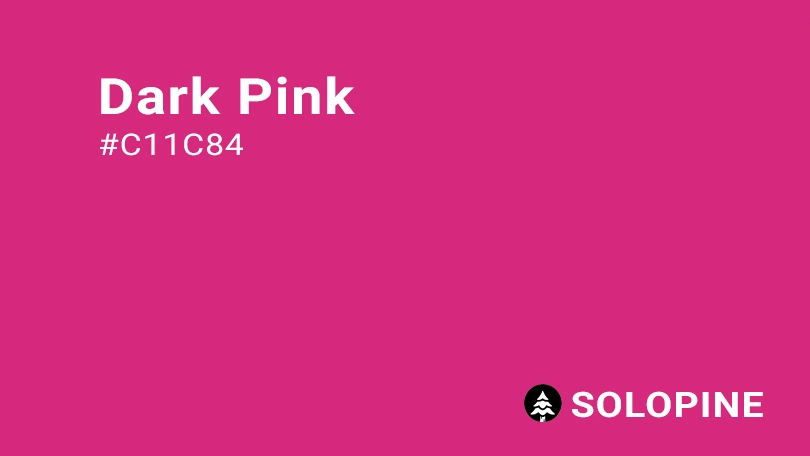
How does dark pink appear on digital display?
When it comes to digital displays, dark pink emerges as a striking and vibrant hue that captivates attention. To maintain consistency across various digital platforms and devices, specific color codes and values are essential. For dark pink, these precise definitions include:
- HEX Code: #C11C84
- RGB Value: 75.7% red, 11% green, and 51.8% blue
These standardized codes ensure that the rich, deep tones of dark pink render accurately whether you’re viewing it on a smartphone, tablet, or desktop monitor.
Beyond aesthetics, accessibility considerations are paramount in UX (User Experience) and UI (User Interface) design. Ensuring that colors like dark pink are accessible to all users is crucial for creating inclusive digital experiences. Designers must adhere to Web Content Accessibility Guidelines (WCAG), which help make websites and applications usable by people with various disabilities.
To facilitate this process, numerous design tools assist designers in verifying that their color choices, including dark pink, meet the necessary accessibility standards. By leveraging these resources, creators can guarantee that their designs not only look stunning but are also functional and accessible to everyone. Incorporating dark pink thoughtfully into your digital projects can thus enhance both visual appeal and user experience, making it a versatile and impactful choice for modern web and app design.
Dark pink in UI design: best practices and considerations
Incorporating dark pink into your UI design can elevate the user experience by adding a unique touch of vibrancy and sophistication. Here’s how you can use it effectively:
- create a playful feel: utilize the boldness of dark pink to infuse energy and personality into your interface. This makes it particularly appealing to younger audiences who appreciate dynamic visuals;
- evoke feelings of passion:dDark pink’s deeper tones convey love and luxury, making it an excellent choice for dating apps or high-end fashion websites like lingerie brands;
- draw attention: leverage dark pink’s eye-catching nature to highlight critical elements such as buttons, notifications, and key sections.
Always keep in mind the cultural significance of colors. Conduct comprehensive research on regional color associations to tailor your design appropriately for a worldwide audience. Ensuring that every user experiences your interface positively and meaningfully is key.
Similar colors to dark pink
When exploring shades similar to dark pink, you’ll find a variety of options that maintain the playful and vibrant essence while offering unique twists. Here are some notable alternatives:
- fuchsia (#FF00FF): this cooler shade shares the same intensity and energetic feel as dark pink but leans more towards purple. Its vividness makes it a striking choice for bold designs;
- magenta (#FD3DB5): a pinkish-purple hue, magenta captures the youthful vibe of dark pink. It’s perfect for adding a touch of fun and creativity to your projects;
- rose (#FF1D8D): lighter and softer than dark pink, rose retains its romantic and whimsical qualities. This shade brings a gentle yet captivating element to any design;
- pink (#FF8DA1): softer and more delicate compared to dark pink, this hue offers a gentler approach while still maintaining an inviting and cheerful tone.
By incorporating these colors, designers can create harmonious palettes that resonate with different moods and audiences. Each of these shades complements dark pink beautifully, allowing for versatile and engaging visual experiences. Whether you’re aiming for a vibrant, youthful look or a softer, more refined aesthetic, these hues provide ample opportunities to experiment and innovate.
Understanding the nuances between these colors ensures that your designs remain fresh, dynamic, and appealing to a wide range of viewers. Explore the possibilities offered by fuchsia, magenta, rose, and pink to enhance your creative projects with the richness and diversity they deserve.
Colors that complement dark pink
When choosing colors to pair with dark pink, it’s essential to find hues that enhance its vibrancy while creating a balanced and visually appealing palette. Here are some excellent options:
- white (#FFFFFF): a timeless neutral, white offers a clean and calming contrast to the boldness of dark pink. It helps create a fresh and sophisticated look, perfect for minimalist designs;
- charcoal (#4A4A4A): pairing dark pink with charcoal brings a modern and sophisticated edge. This deep gray adds depth and elegance, making your design stand out;
- mint green (#ADEBB3): mint green beautifully balances the warmth of dark pink, producing a cool and energetic vibe. This combination is ideal for projects aiming for a lively yet soothing atmosphere;
- gold (#EFBF04): adding gold to dark pink introduces an element of sophistication and glamour. The golden hue conveys exclusivity and luxury, making it a great choice for high-end designs.
Other noteworthy color combinations include:
- navy blue (#000080): to amplify dark pink’s luxurious feel, navy blue is a fantastic choice. Together, they exude elegance and refinement;
- yellow (#FFDE21): for a vibrant and energetic touch, yellow pairs wonderfully with dark pink. This combination injects a burst of positivity and liveliness into any design;
- light gray (#D3D3D3): if you want to tone down the saturation of dark pink, light gray serves as an excellent neutral. It softens the intensity while still maintaining a stylish appearance.
By thoughtfully selecting these complementary colors, designers can craft cohesive and engaging visual experiences. Each pairing offers unique benefits, allowing for versatile and innovative designs. Whether you’re looking to highlight dark pink’s boldness or soften its impact, these color choices provide endless possibilities to elevate your creative projects.
Colors that conflict with dark pink
When working with dark pink, it’s important to be mindful of colors that may clash and detract from its bold and vibrant nature. Choosing the wrong hues can lead to a visually unappealing design. Here are some colors that tend to conflict with dark pink:
- red (#FF2C2C): since red belongs to the same color family as dark pink, combining them often results in competition rather than harmony. The similar tones can create an overwhelming and overly saturated look, making it difficult for each color to stand out effectively;
- brown (#895129): pairing brown with dark pink can produce a muddy or dull appearance, particularly when used in large areas. This combination lacks the vibrancy needed to complement the energetic feel of dark pink, leading to a lackluster design;
- neon green (#2CFF05): neon green’s bright and electric nature clashes sharply with dark pink’s warm and playful essence. Together, they create a jarring contrast that disrupts visual flow, making the design appear disjointed and chaotic;
- mustard yellow (#FFCE1B): mustard yellow tends to vie for dominance when placed alongside dark pink. Both colors have strong personalities, resulting in a visual tug-of-war that can overwhelm viewers and diminish the overall aesthetic appeal;
- dark orange (#C76E00): dark orange shares a similar saturation level with dark pink, which can make the pairing visually overpowering. When these two intense shades come together, the result is often too stimulating and can fatigue the viewer’s eyes.
Understanding these potential conflicts helps designers avoid common pitfalls and ensures their creations remain balanced and appealing. By steering clear of clashing colors like red, brown, neon green, mustard yellow, and dark orange, you can maintain the unique charm and energy of dark pink. Thoughtful color selection not only enhances the visual impact but also creates a more cohesive and enjoyable user experience.
What does dark pink symbolize?
Dark pink is a captivating color that carries deep symbolism, blending the playful and youthful essence of traditional pink with the confidence, passion, and energy derived from its red undertones. This unique combination makes dark pink a powerful hue in various contexts, from historical movements to modern design.
Historically, dark pink holds significant meaning, particularly from the women’s suffrage movement, where it symbolized a fight for equality and a challenge to traditional gender roles. This rich heritage underscores the color’s strength and resilience, making it more than just a visually appealing shade.
In the realm of color psychology, dark pink evokes a range of positive emotions. It conveys joy, happiness, and excitement, thanks to its vibrant yet approachable nature. The red undertones infuse an extra layer of energy and passion, while the pink base ensures the color remains playful and inviting. This balance encourages creativity and fosters engaging conversations, making dark pink a versatile choice for many applications.
When it comes to UI design, dark pink’s boldness shines through as a standout feature. Its striking appearance makes it perfect for highlighting crucial elements such as call-to-action (CTA) buttons, ensuring users can easily find and interact with key features. Additionally, the playful and youthful vibe of dark pink is ideal for interfaces targeting younger audiences or promoting fun activities. Brands focused on romance and beauty also benefit from dark pink’s association with positive emotions, leveraging its charm to connect with their audience on a deeper level.
Moreover, dark pink’s ability to spark creativity and convey enthusiasm makes it a valuable asset in various branding strategies. Whether used in digital designs, marketing campaigns, or product packaging, this color has the potential to captivate attention and leave a lasting impression. By understanding the symbolic depth and emotional impact of dark pink, designers and marketers can harness its power to create compelling and meaningful experiences.
The history of dark pink
The history of dark pink is a fascinating journey through time, reflecting evolving perceptions and applications of this captivating color. Initially, dark pink was not a specific color term; instead, it was part of a broader spectrum of pinks recognized in ancient texts. Around 800 B.C., the renowned Greek poet Homer used a phrase in “The Odyssey” that translates to “rosy-fingered dawn,” indicating an early awareness of shades within the pink family. This poetic reference highlights how early civilizations appreciated the nuances of color, even if they didn’t have a precise term for dark pink as we know it today.
As centuries passed, the language around colors became more refined, and by the 18th or 19th century, “dark pink” emerged as a distinct term. This period marked a significant shift, solidifying the connection between the rich, bold hue and its name. The formal recognition of dark pink reflected growing sophistication in color theory and artistic expression during these eras, where artists and designers began to explore and celebrate a wider range of hues.
In contemporary times, dark pink has taken on various roles across
Color variations
Shades
Tints
Tones
Hues
Color harmonies
Complementary
Split
Monochromatic
Analogous
Triadic
Square
Accessibility: contrast checker
Lorem Ipsum
Lorem ipsum dolor sit amet, consectetur adipiscing elit. Sed sollicitudin nunc sit.
Lorem Ipsum
Lorem ipsum dolor sit amet, consectetur adipiscing elit. Sed sollicitudin nunc sit.
WCAG 2.2 SIMPLE CONTRAST
WCAG 2.2 SIMPLE CONTRAST
Color simulations
Protanopia
Deuteranopia
Tritanopia
Achromatopsia
Color conversion
The hexadecimal color #C11C84, known as dark pink, has RGB values of R:193 G:28, B:132 and CMYK values of C:0, M:0.85, Y:0.32, K:0.24.
| VALUE | CSS | |
|---|---|---|
| HEX | C11C84 | #C11C84 |
| RGB DECIMAL | 193, 28, 132 | RGB(193,28,132) |
| RGB PERCENTAGE | 75.7, 11, 51.8 | RGB(75.7%,11%,51.8%) |
| CMYK | 0, 85, 32, 24 | |
| HSL | 322.2°, 74.7, 43.3 | HSL(322.2°,74.7%,43.3%) |
| HSV (OR HSB) | 322.2°, 85.5, 75.7 | |
| WEB SAFE | CC3399 | #CC3399 |
| CIE-LAB | 43.998, 68.331, -15.839 | |
| XYZ | 26.573, 13.837, 23.1 | |
| xyY | 0.418, 0.218, 13.837 | |
| CIE-LCH | 43.998, 70.143, 346.949 | |
| CIE-LUV | 43.998, 87.209, -33.128 | |
| HUNTER-LAB | 37.197, 62.42, -10.781 | |
| BINARY | 11000001, 00011100, 10000100 | |
| iOS – SwiftUI | Color(red: 0.757, green: 0.11, blue: 0.518) | |
| iOS – UIKit | UIColor(red: 0.757, green: 0.11, blue: 0.518, alpha: 1) | |
| Android – Compose | Color(0xFFC11C84) |